Field Guide · East End

East End
Baitfish.

Bass don't eat plugs — they eat bait. These twenty-one forage species — baitfish, crabs, worms, shellfish, and shrimp — drive East End fishing from spring through December. Know what's running and you know what to throw.

01 · Forage Fish

Bunker

Brevoortia tyrannus · Atlantic menhaden

The single most important baitfish on the East End. Adult bunker run 8 to 14 inches and travel in dense, oily schools that you can spot from a half-mile away by the dimpled water and circling gulls.

If something is happening, bunker are usually the reason. Big bass live and die on bunker. So do bluefish, sharks, weakfish, and just about every predator that can swallow a hand-sized fish.

Look for them inside Three Mile Harbor, off Napeague, and along the south side bars from May through November. Fall pushes can stack them by the millions.
Bunker
Size8 – 14"
SeasonMay – Nov
WhereInshore · Bays
UseLive · Chunk · Snag
How to Use

Snag-and-drop with a weighted treble for live-lining big bass. Cut chunks on a fishfinder rig for surf and beach fishing — bass and blues will find them on the bottom.

02 · Forage Fish

Peanut
Bunker

Juvenile Brevoortia tyrannus

Baby bunker, 2 to 4 inches, and the single most important fall run trigger on the East End. When peanut bunker push out of Long Island Sound on the seasonal exodus, they bring everything with them.

The fall blitz — surface explosions of bass, blues, and false albacore tearing into massive schools — is almost always a peanut bunker event. Match the hatch and you fish them. Throw the wrong-sized lure and you don't.

Window: late September through mid-November. Some years it's a quick three-week window; others it stretches for two months.

Peanut
Size2 – 4"
SeasonSept – Nov
WhereSurf · Inshore
UseMatch the hatch
How to Use

3–5" soft-plastic swimbaits, small SP Minnows, Albie Snax, small bucktails. Smaller is better. When fish are keyed on peanuts they ignore anything bigger.

03 · Forage Fish

Sand Eel

Ammodytes americanus · American sand lance

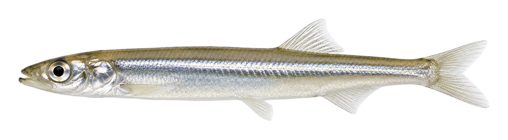
Long, slender, silver-bodied fish, 3 to 6 inches. They bury into sandy bottoms and emerge in dense flickering clouds when the tide turns. Critical late-fall and winter forage for striped bass.

If the November bite turns slow on bunker, it's almost always because the bass have keyed on sand eels and you need to switch presentations. Slim lures, fast retrieves, vertical jigging — match the slim profile.

The Montauk Point rips hold sand eels through the cold months. Boats jigging the rips in December are usually fishing sand eel imitations.

Sand Eel
Size3 – 6"
SeasonOct – Jan
WhereSandy bottoms
UseMatch slim profile
How to Use

AVA jigs, diamond jigs, slim Hogy soft plastics, sand-eel-pattern flies. Vertical jigging from a boat is the classic Montauk technique.

04 · Forage Fish

Spearing

Menidia menidia · Atlantic silverside

Small, slim, silver-flanked fish 2 to 4 inches long, living in massive schools through the back bays and harbors. The base of the inshore food chain.

Anywhere you find small fish chasing smaller fish — snapper blues marauding in Three Mile Harbor, weakfish in the back bays, schoolie bass on the flats — spearing are what they're eating. Year-round, but easiest to catch with a small minnow net in summer.

Spearing
Size2 – 4"
SeasonYear-round
WhereBays · Harbors
UseLive · Match small
How to Use

Live spearing on a small jighead is deadly for snapper blues and weakfish. Frozen spearing on a fluke rig tipped with squid — a classic combination.

05 · Cephalopod

Squid

Doryteuthis pealeii · longfin inshore squid

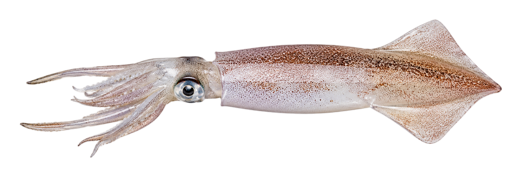
The most versatile bait on the East End. Schools move inshore in spring and stay through fall. Mostly fished cut into strips for fluke, but live squid is gold for bigger bass and the occasional cow striper that won't eat anything else.

You can buy them fresh at any bait shop. Boat anglers offshore at night light up squid jigs to fill the livewell for the next morning's fluke trip.

Squid
Size6 – 12"
SeasonMay – Oct
WhereOffshore → Inshore
UseCut strips · Live
How to Use

Cut strips on a bucktail for drifting fluke. Whole squid on a fishfinder rig for sea bass on structure. Live squid drifted on the rips for trophy stripers.

06 · The Classic

Eel

Anguilla rostrata · American eel

The night surfcaster's bait. Tough, lively, and irresistible to big bass after dark. The eel that gets a 40-pound cow striper to crush a topwater is the same fish that nightcrawlers chase for cocktails in summer.

Bought live from any tackle shop. Tougher than you'd think — a single eel can produce multiple fish in a night if it survives the first strike.

Eel
Size12 – 18"
SeasonMay – Nov
WhereNight surf · Boat
UseLive · Rigged
Catches
How to Use

Hook through the lip or chin on a 6/0 to 8/0 octopus hook. Slow retrieve, dead drift, or rigged on a wire snell for casting. Night tides only — eels in daylight is bass guide blasphemy.

07 · Crab

Green Crab

Carcinus maenas

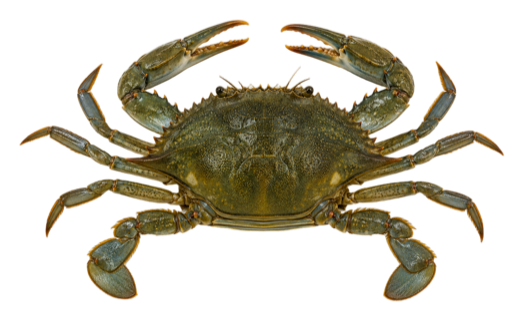
An invasive Eurasian crab that has become the #1 blackfish bait on the East End. The tog crew lives on green crabs from October through December.

Hard-shell, dark green to brown, 2 to 3 inches across. Cut in half and hooked through a leg socket — that's the standard tog presentation.

Green Crab
Size2 – 3"
SeasonOct – Dec
WhereRocky structure
UseCut · Hook in leg socket
Catches
How to Use

Cut in half. Hook through the leg socket so the hook point exits clean. Drop tight to rocks or wreck structure. Detect the subtle tap — tog don't bash, they nibble.

08 · Crab

Blue Claw

Callinectes sapidus · blue crab

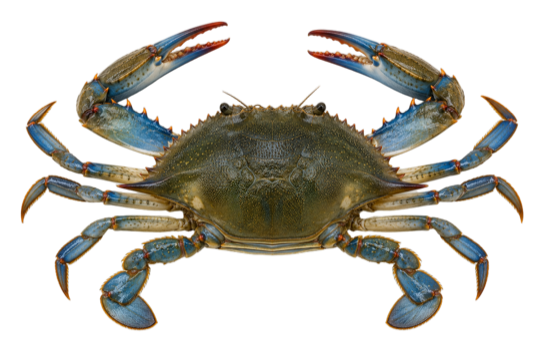
The native estuary crab — bigger and more aggressive than green crabs, with the famous blue claws. Small ones live in the back bays around Springs and Three Mile Harbor.

For bait fishing, soft-shells (just-molted blue claws) are the prize. Striped bass and weakfish find them irresistible in summer. Larger fluke have been known to eat them whole.

Blue Claw
Size3 – 5"
SeasonJun – Sept
WhereBack bays · Creeks
UseSoft-shell whole · Cut
How to Use

Whole soft-shell on a 4/0 hook for bay stripers. Cut hard-shells into quarters for cut bait. Local pickup at the bait shop — they're seasonal and rarely shipped.

09 · Worm

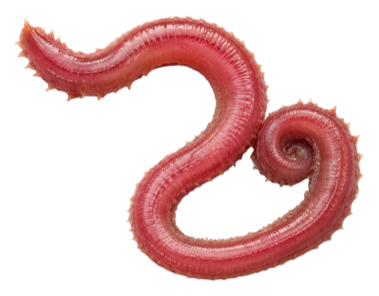
Bloodworm

Glycera dibranchiata

The premium fishing worm of the Northeast. Bright pink-red, fleshy, and (literally) full of blood that releases scent into the water. Porgies, weakfish, and panfish go crazy for them.

Tough on the hands — they bite, and the bite stings. Sold by the dozen at any bait shop. Pricey but worth it when porgies are running.

Bloodworm
Size6 – 12"
SeasonYear-round
WhereBottom rigs
Use1–2" pieces on hook
Catches
How to Use

Cut into 1–2 inch pieces. Thread onto a #4 to #1 bait hook. High-low rig dropped onto a porgy bottom. Wear gloves — they bite.

10 · Worm

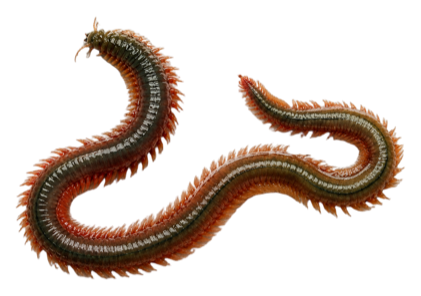
Sandworm

Alitta virens · clam worm

The bloodworm's working-class cousin. Cheaper, more abundant, slightly less productive — but still a deadly bait for the same fish.

Long, segmented, brownish-green with a row of pinkish feathers along each side. Live in tidal mudflats and sandy beaches around the East End.

Sandworm
Size6 – 12"
SeasonYear-round
WhereBottom rigs
UseSame as bloodworms
How to Use

Cheaper than bloodworms but tipped on a bucktail or fluke rig they work just as well. Good kids' bait — schoolie bass, snapper blues, and porgies will all hit them.

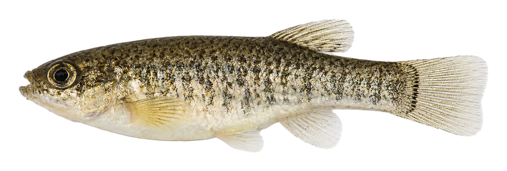
11 · Forage Fish

Killie

Fundulus heteroclitus · mummichog

Tough little marsh minnows, 2 to 4 inches, that survive brackish water, tide swings, and the occasional freeze. Will live in a bucket of warm bait shop water for days, which is exactly why they became the standard fluke bait.

The killie-and-squid combination on a 2-hook fluke rig is older than most anglers on the boat. Still catches more fluke than 90 percent of newer techniques.

Killie
Size2 – 4"
SeasonMay – Oct
WhereMarshes · Bait shops
UseLive · With squid strip
How to Use

Live, hooked through both lips on a 2-hook fluke rig — top hook gets the killie, bottom hook a strip of squid. Drifted along the bottom on a sandy edge.

12 · Forage Fish

Bay Anchovy

Anchoa mitchilli

Tiny, 2 to 3 inches, silver and translucent. Move through East End waters in late summer in massive clouds. The single most important baitfish for the false albacore run that hits Montauk in September.

You won't fish bay anchovies as bait — they're too small. But knowing they're around tells you what's happening: when albies are crashing them at the surface, throw small metals, tiny epoxy jigs, or Albie Snax.

Size2 – 3"
SeasonAug – Oct
WhereInshore schools
UseMatch with metals
How to Use

Don't try to bait with bay anchovies — match them. Small Deadly Dicks, Hogy Epoxy Jigs, Albie Snax. Smaller is better, faster retrieve is usually better.

13 · Shellfish

Clam

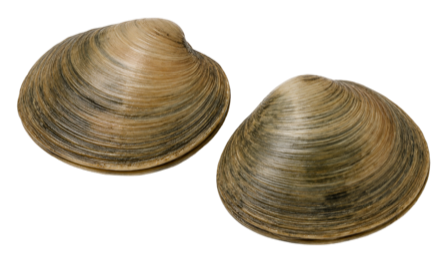
Spisula solidissima · skimmer clam

Surf-fishing classic. Skimmer clams (sometimes called "surf clams") are the big oceanside shellfish that gets ground up and used as chum or hooked whole as bait.

Bigger striped bass in spring will pick up a clam bait readily. Porgies and sea bass eat them year-round. Salted clam tongues are a sneaky blackfish bait that some old-timers still swear by.

Clam
SizeVaries
SeasonYear-round
WhereSurf · Bottom rigs
UseTongue · Belly · Whole
How to Use

Hook the tongue (foot) through the tough end on a circle hook for surf bass. Tip a bucktail with a small piece of belly for fluke. Salted clams in summer hold on the hook better than fresh.

14 · Forage Fish

Sheepshead Minnow

Cyprinodon variegatus

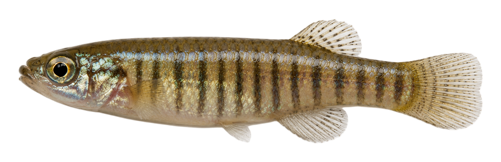
A tougher cousin of the killie. Sheepshead minnows live in saltmarsh tidal creeks and shallow ponds where salinity and water temperature swing wildly through the day. They handle conditions that would kill most fish, which is exactly why they end up in bait buckets next to killies.

One and a half to three inches long, deep-bodied for a minnow, with strong vertical bars on the sides. Caught with seine nets in the marsh creeks of Accabonac and Three Mile Harbor.

Used like killies on a bottom rig for fluke, especially in shallow back-bay drifts. Snappers and small weakfish will hit them too.

Sheepshead Minnow
Size1.5 – 3"
SeasonYear-round
WhereMarsh creeks · Back bays
UseLive · Small jighead
How to Use

Hooked through the lips on a 2-hook fluke rig or small jighead. Lives longer in the bucket than most baitfish. Effective in shallow back-bay drifts under 8 feet.

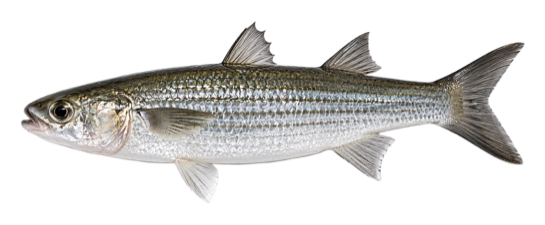
15 · Forage Fish

Mullet

Mugil curema · white mullet (also M. cephalus, striped mullet)

The fall mullet run is one of the East End's most reliable bass triggers — second only to the peanut bunker push. White mullet is the more common species here; striped mullet shows up some years too. Slender silver fish with a small mouth and a forked tail.

Schools move down the beach in September and October, sometimes in lines a quarter-mile long. Bass and blues track them, and the run can light up the surf when conditions align. The "mullet bottle" plug exists for exactly this scenario.

Bigger mullet (8–12 inches) make exceptional live baits for trophy bass. Smaller ones go on a snap-jig under a popper float.

Mullet
Size6 – 12"
SeasonSept – Oct (fall run)
WhereSurf · Inshore beaches
UseLive · Match the hatch
How to Use

Live-line a small mullet on a 6/0 to 8/0 circle hook through the lips or back. Match-the-hatch during a run: mullet bottle plugs, big swim shads, large soft plastics.

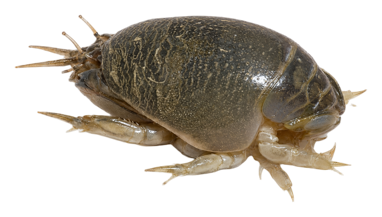
16 · Crab

Sand Flea

Emerita talpoida · mole crab

Tiny burrowing crabs that live in the wave wash on every East End ocean beach. The name "sand flea" is a misnomer — they're proper decapod crustaceans, just small. Dig them out of the wet sand at low tide where the wash recedes.

About half-inch to an inch and a half, hard tan carapace, feathery feeding antennae. Females carrying bright orange eggs are the premium bait when you can find them.

Pompano gold further south. On the East End they're sneaky-good for porgies, surf bass, and sea bass — anywhere fish are working a sandy bottom near the wash zone.

Sand Flea
Size0.5 – 1.5"
SeasonMay – Oct (low tide)
WhereSurf wash zone
UseLive · Hooked through shell
How to Use

Hook a live sand flea through the back/shell on a #1 or #2 baitholder. Fish on a fishfinder rig in the surf wash. Females with orange egg sacs are the best of the best.

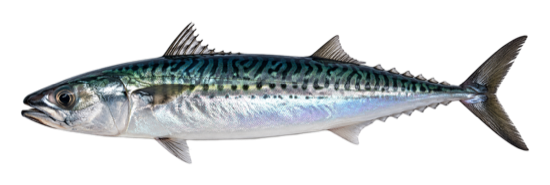
17 · Forage Fish

Mackerel

Scomber scombrus · Atlantic mackerel

Atlantic mackerel are a spring and fall visitor to East End waters — schools move through during migration to and from northern grounds. Show up offshore first, then push closer as bait builds inshore.

Sleek torpedo-shaped fish, 10 to 16 inches, with wavy dark green markings on the back and a sharp silver belly. Excellent table fare if you ice them fast.

For bait fishermen, mackerel are tuna and shark candy. A live mackerel slow-trolled offshore is the classic Montauk bluefin setup. Chunked or whole for bass, blues, and anything toothy. Light-tackle jigging schools of them is its own fun.

Mackerel
Size10 – 16"
SeasonApr – May · Oct – Nov
WhereOffshore → Inshore
UseLive · Chunk · Whole
How to Use

Live mackerel slow-trolled offshore for bluefin. Chunked on a fishfinder rig from boat or surf for bass and blues. Sabiki rigs catch a livewell-full in minutes when a school is around.

18 · Crab

Hermit Crab

Pagurus spp.

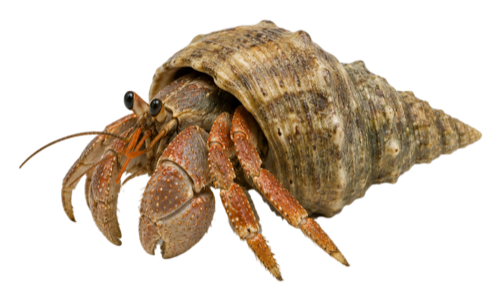
The old-timer's blackfish bait. Hermit crabs live in abandoned whelk and moon snail shells in the rocks and shell debris around East End jetties and reefs. Collect them by walking the wash at low tide and grabbing the right-sized shells.

Removed from the shell, hooked through the body, hermit crabs work like green crabs but with a subtle scent profile that sometimes triggers picky togs when green crabs are getting refused. Most bait shops don't carry them — this is a do-it-yourself bait.

The crew that fishes the back side of Block Island and the East End reefs in late fall still swears by them.

Hermit Crab
Size1 – 3" (with shell)
SeasonOct – Dec
WhereJetties · Rocky structure
UseRemoved from shell
Catches
How to Use

Pull the crab out of its shell. Hook through the body on a 3/0 to 5/0 octopus hook. Drop tight to structure. Alternate with green crabs when togs are getting picky.

20 · Shrimp

Grass Shrimp

Palaemonetes spp.

Tiny translucent shrimp that live in eelgrass meadows in Peconic Bay and the back creeks of Three Mile Harbor and Accabonac. Half-inch to an inch and a half, almost invisible in the water.

Weakfish anglers catch a bucket with a fine-mesh seine in late spring and use them for the next week. When weakfish were a thing on the East End, grass shrimp were the bait of choice. They've made a slow comeback some years and the shrimp bite still works.

Also sneaky-good for snapper blues, porgies, and schoolie bass in the back bays.

Size0.5 – 1.5"
SeasonMay – Sept
WhereEelgrass · Back creeks
UseLive · Small long-shank hook
How to Use

Hook a single shrimp through the tail on a #6 or #8 long-shank hook. Drift through eelgrass beds on light tackle. Fly anglers use grass-shrimp imitations on a slow strip.

21 · Crab

Asian Shore Crab

Hemigrapsus sanguineus · invasive

The newer invasive on East End rocks — arrived from Asia in the late 1980s, now everywhere. Smaller than green crabs at one to two inches across, more aggressive, and faster-spreading. The native crab population around the jetties has shifted as these have taken over.

For tog fishermen, they've become an alternate bait — easier to collect than green crabs in some spots, similar effectiveness on smaller togs. Hook them whole or halved like you would a green crab.

Most days the togs don't care which crab it is. Have both in the bait bucket and switch when the bite slows.

Size1 – 2"
SeasonYear-round (peak Sept – Nov)
WhereJetties · Rocky shore
UseWhole · Halved
Catches
How to Use

Whole on a 3/0 hook for smaller togs. Halved for bigger fish. Drop tight to rocks. Easy to collect by hand at low tide on any East End jetty.

22 · Forage Fish

Herring

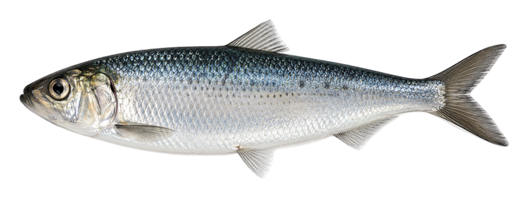
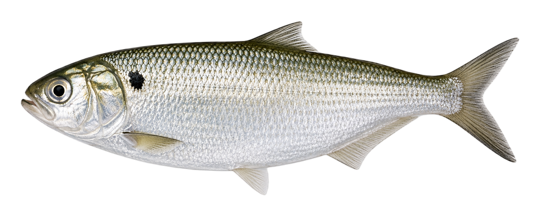
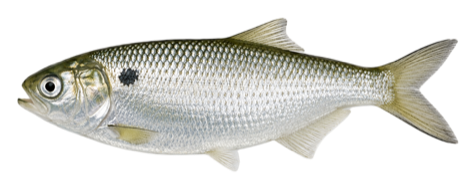
Alosa spp. · river herring & hickory shad

The spring spawning runs bring herring and hickory shad into East End creek systems each year. River herring (alewives Alosa pseudoharengus and blueback herring A. aestivalis) and hickory shad (A. mediocris) push from the ocean into freshwater creeks from April through June.

These runs feed the early-spring striper push hard. The first big bass in the rivers and creek mouths are eating herring almost exclusively.

Important: river herring are protected in NY — taking them is illegal without specific permits. Hickory shad have separate rules. For most anglers, herring is for imitation, not capture. Always verify regs with NY DEC before keeping any Alosa.

Herring
Size8 – 12"
SeasonApr – Jun (spring run)
WhereRiver & creek mouths
UseMatch the hatch (don't take)
How to Use

Match-the-hatch lures: big swim shads, herring-pattern flies, large soft plastics in 7"+ sizes. Do not take river herring — protected in NY. Hickory shad have specific regs — verify with DEC before keeping any.

Get the Report.

Friday morning intel — what's running, where, and what's hitting it. Right to your inbox.

Subscribe